
iRacing Season 4: what changes for your PC
iRacing's Season 4 is on the way, and the list of new content looks like every other season's: cars, circuits, a few interface screens. Yet the heaviest change in this release cannot be seen, cannot be tried on track, and appears in no screenshot. It concerns the way the simulator uses your processor.
The real change is invisible
iRacing is announcing the first phase of a rework of its physics loop, called Physics Islands. The idea is to spread the calculations across several processor threads, where this part of the engine previously relied on a far more concentrated load. The studio announces CPU overhead tied to physics reduced by half, or more, in large-field situations.
That technical detail describes precisely the moment when iRacing puts a machine under the most strain: the start, when forty cars are packed together and each one demands its own calculations. That is where frames stutter, where smoothness collapses for a few seconds, and it is also where contact happens. If the gain holds up, it lands in the right place.
Two caveats, though. This figure is an announcement from the studio, not an independent measurement: nobody has yet verified it across a range of machines. And it concerns the CPU load devoted to physics, which is not the same thing as a gain in frames per second: on a setup limited by the graphics card, the effect may be small.
What it could change on your machine
If spreading the load across threads delivers, it moves the bottleneck. A processor with many cores, until now barely used by this part of the engine, could become more useful than before; conversely, machines that struggled at the start for lack of single-thread performance could breathe. We do write could: until the build ships and is measured, announcing a figured gain on any given configuration would be dishonest.
The reasonable advice in the meantime is to buy nothing on the strength of this announcement. If your machine struggles today, the complete builds on this site remain the safest starting point; we will reassess them once we know what this rework actually delivers.
The cars
Three new ones. The Aston Martin Valkyrie AMR-LMH joins the prototype grid, an addition iRacing describes as having required lengthy engineering and telemetry work with the manufacturer. At the other end of the spectrum come two Caterhams, the Academy and the 420R, sold together and placed in Class D and Class C respectively — so within reach early in the progression.
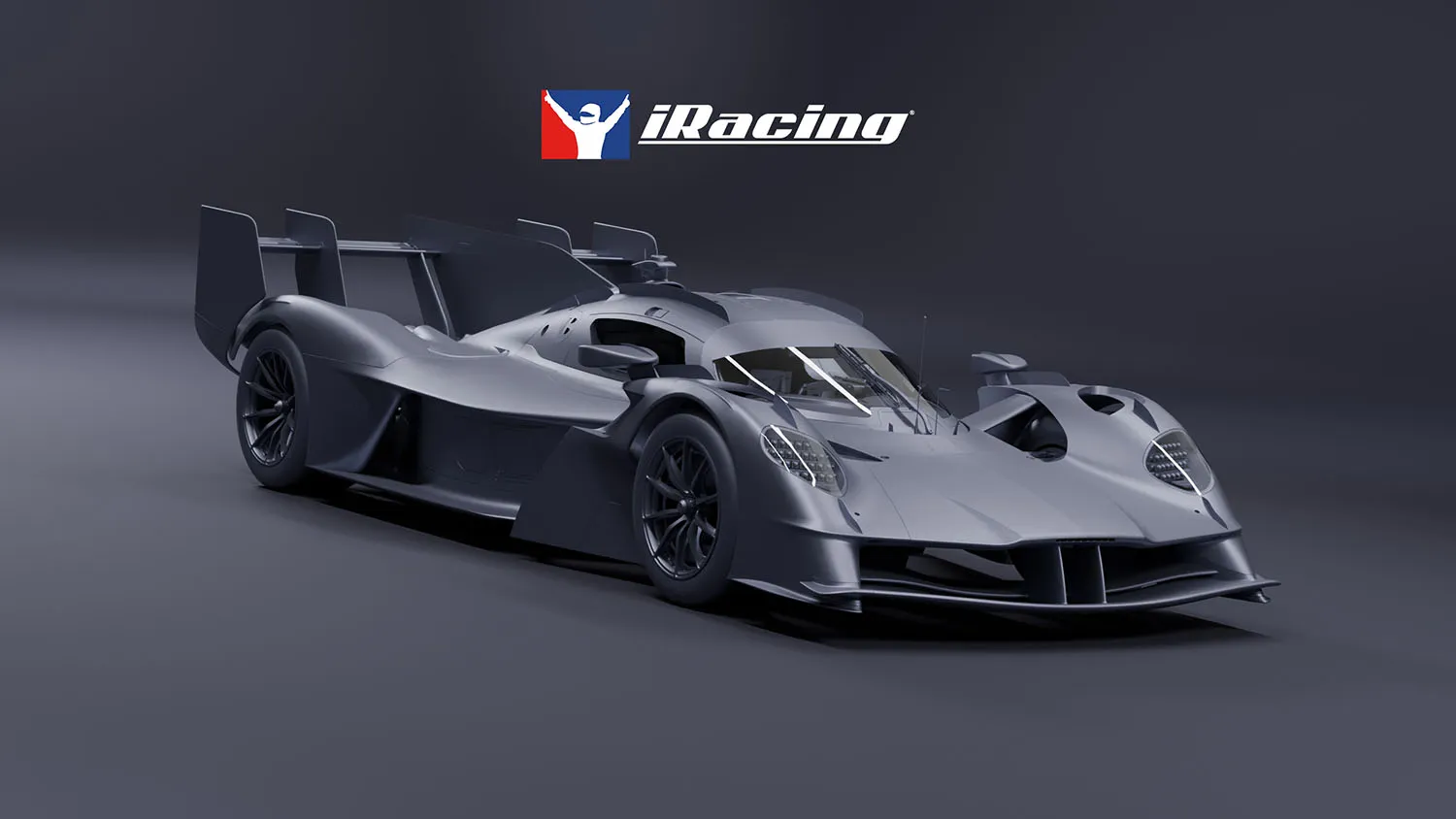
Three reworks come with them. The Mazda MX-5, the entry car almost every beginner goes through, is entirely re-engineered: suspension kinematics, engine and driveline, dampers, latest tyre model. The pavement Sprint Car is rebuilt from front to rear, with more power and revised suspension geometry. Finally the Gen 4 Grand National joins the ARCA package, with a drafting model update shared with the Gen 4 Cup.
The tracks
No brand-new circuit this season, but three complete rebuilds from laser scans captured in 2026: Road America, which gains two configurations in the process, Mid-Ohio, and the Milwaukee Mile, fitted with a roval-style road course. On circuits as heavily used as the first two, a rebuild is not a cosmetic detail: braking references and the profile of the bumps change, and reference laps with them.
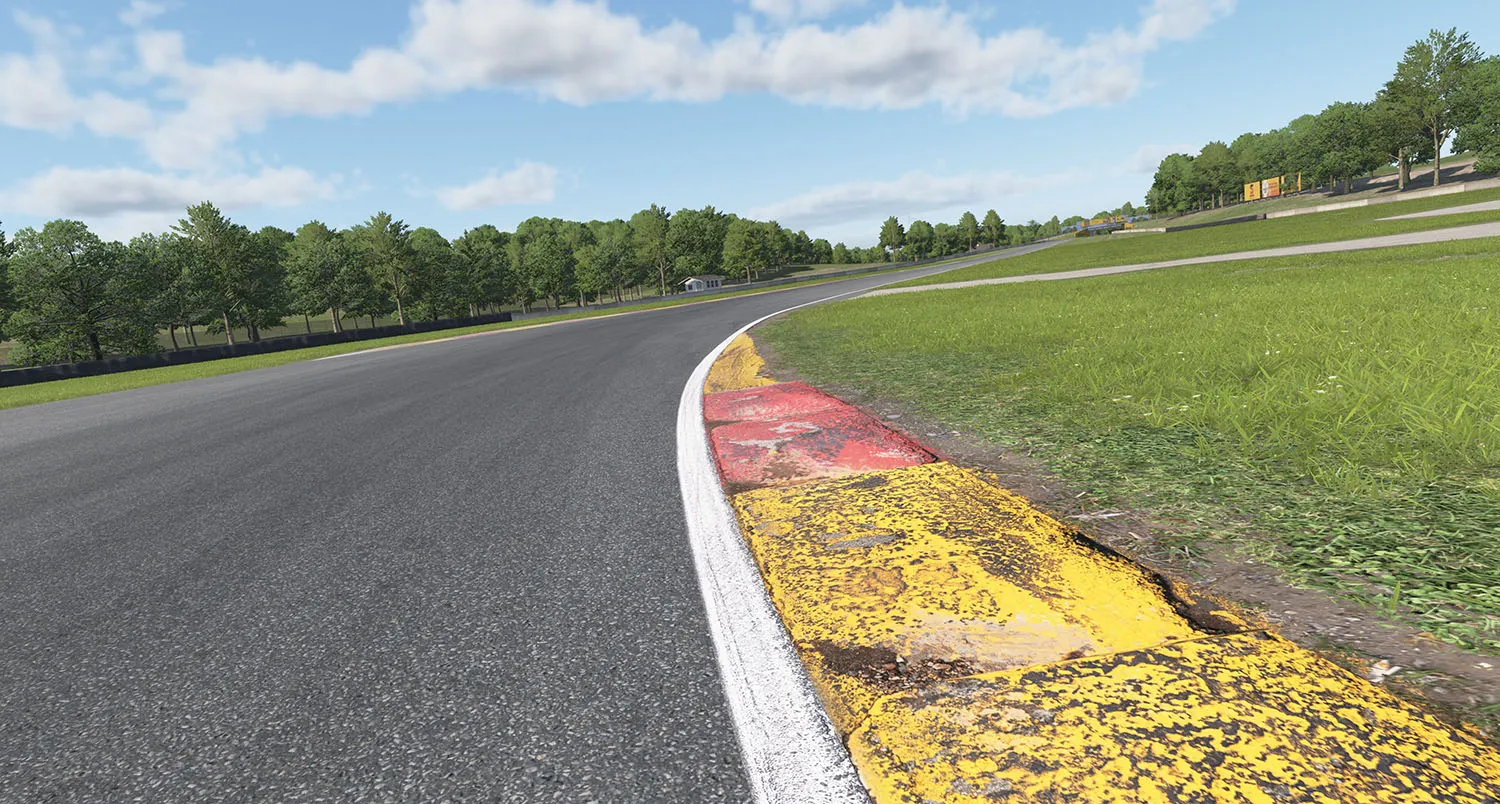
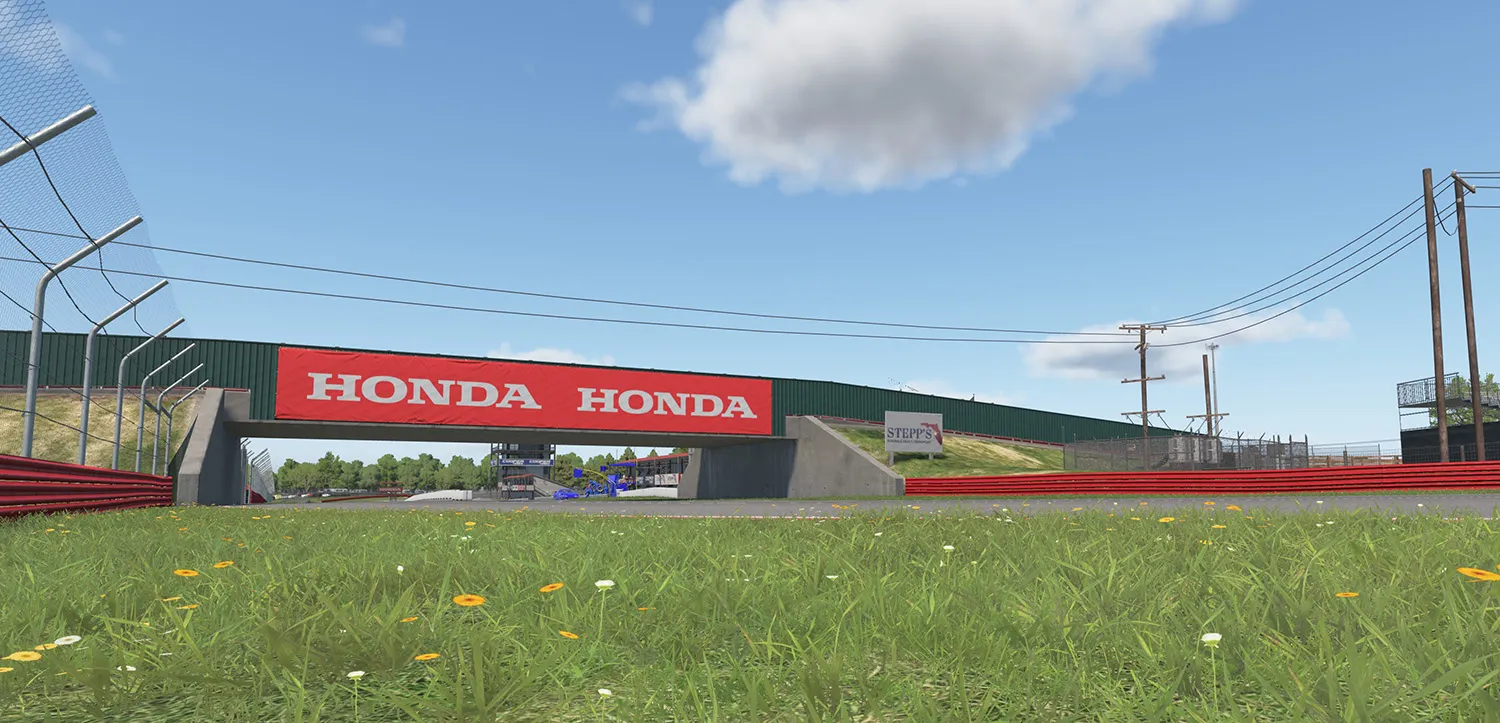
Two other circuits get a lighter, purely visual treatment: Summit Point, whose Jefferson layout is reworked, and Road Atlanta, which gains new textures and three-dimensional kerbs.
The rest of the release
In multi-class racing, each class will have its own pace car and its own independent start — enough to reduce the starts where classes trip over each other. Smoke effects move to the modern visual effects engine. Per-race and per-race-day weather rolls are being tested. On the interface side the list is long: pit stop summary, colour-coded damage display, reference car for comparing a lap, quick settings replacing the old black box, a visual shift indicator, and pinning for the elements you want kept on screen.
Two items are circulating in roundups as though they were shipping, while the official communication says otherwise.
Circuit Bugatti is not arriving now: iRacing lists it among the brand-new circuits expected in Season 1, alongside Paul Ricard, Winchester Speedway, Paul Armagnac and Ricardo Tormo.
Track Reverb is not being deployed either. The studio states that it is still in testing and that it is not ready to change the service at scale on this point.
What comes next
Two projects reach beyond this season. Career mode, described as technically complete, will offer seven distinct paths, with no launch date communicated. And the graphics engine continues its move towards physically based lighting, with progressive texture loading already in place. Those are the two things to watch for the rest of the year.
No release date is asserted here, because iRacing has not communicated one. Dates are circulating; we are not repeating them until they are official. The only confirmed date in this communication concerns NASCAR 26, on 18 September 2026. The material above comes from the development update published by iRacing, consulted on 1 September 2026; these are announcements, not features we have tested ourselves. We will update this article when the release notes are published.
Images: iRacing.